
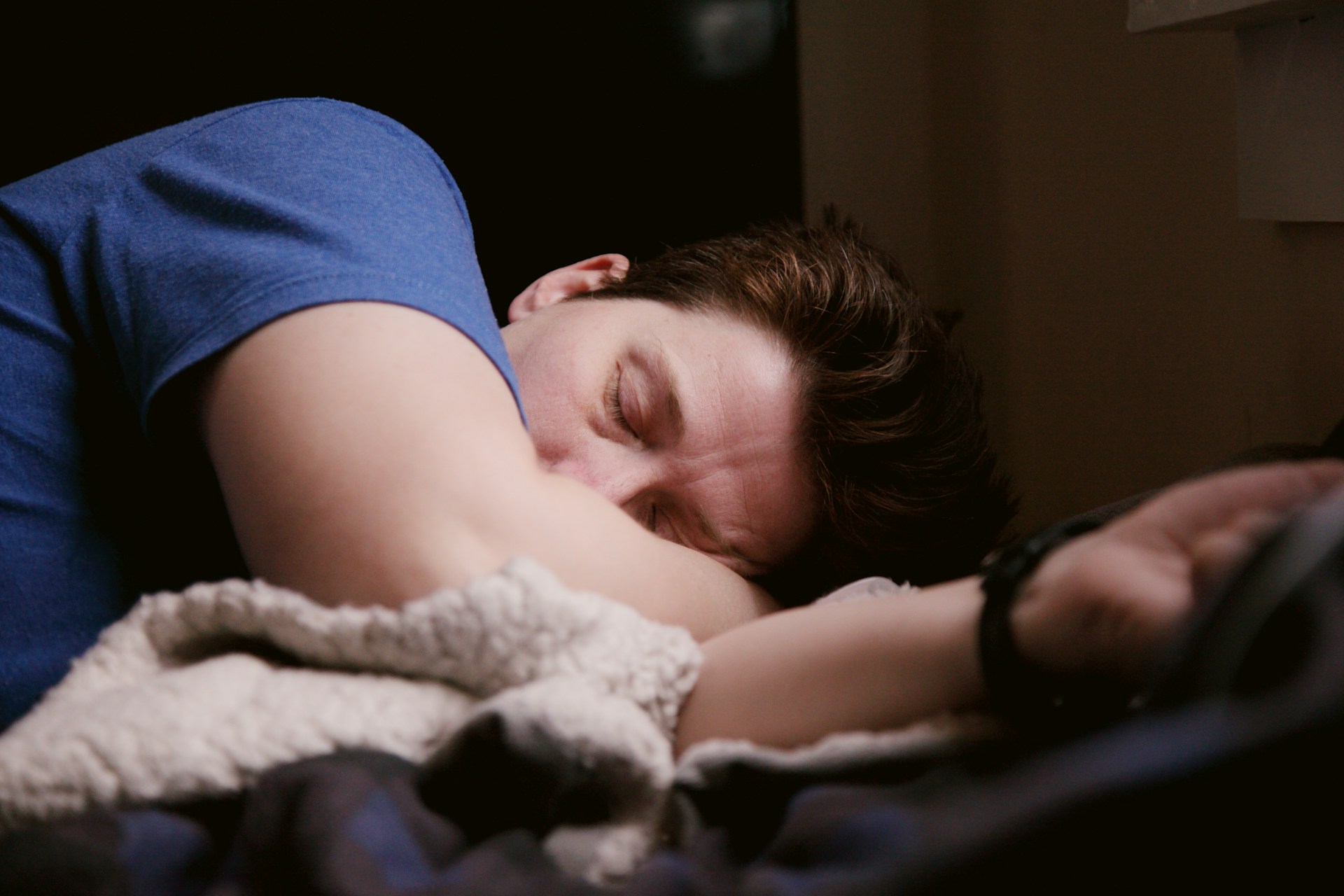
Sleep apnea can present a number of symptoms early on. Recognizing them can help you secure a diagnosis and good treatment with as few health impacts as possible. Poor-quality sleep can have a huge impact on your metabolism, hormones and cardiovascular health if left unaddressed. It’s important to also note that obesity is a risk factor for sleep apnea. This is because excess fat in the neck and abdomen decreases the size of the airway and can obstruct breathing.
Additionally, be aware that men are more likely than women to suffer from sleep apnea. Individuals with diabetes should also be aware of an increased correlation with sleep apnea. Beyond this, let’s explore six early warning signs that you or a loved one may be struggling with sleep apnea.
1. Snoring, Breathing Pauses or Gasping During Sleep
Snoring, breathing pauses or gasping during sleep are common symptoms for people with sleep apnea. Why? These symptoms occur with sleep apnea due to upper airway obstruction. Louder snoring can indicate more advanced sleep apnea. If you sleep with someone else, they may notice snores alternating with gasps for breath. You may also kick or be restless during sleep as you struggle to breathe.
2. Fatigue During the Daytime
Many people with sleep apnea feel they have slept but experience fatigue and exhaustion during the daytime. You may find yourself nodding off while trying to work or watch television. This can also pose a risk of motor vehicle accidents while driving.
3. Hypertension
The American College of Cardiology reports that up to half of those with high blood pressure also have sleep apnea. When sleep apnea causes a pause in breathing, the sympathetic nervous system is triggered and causes a spike in blood pressure as well as stress hormone levels. When sleep apnea is treated appropriately, blood pressure often returns to normal.
4. Memory, Concentration and Mood Issues
Making mistakes or being less productive at work, being forgetful or struggling to concentrate are common side effects of poor-quality sleep. Unexplained mood swings may also accompany the feelings of fatigue during the day.
5. Sore Throat and Dry Mouth
Obstructive sleep apnea forces people to breathe through their mouths at night. A night of frequent mouth breathing causes the mucus membranes of the mouth and throat to become dry. This can sometimes cause a dry mouth or sore throat upon waking.
6. Headaches
Many patients with apnea report headaches upon waking. The exact cause is unclear, but it may be a result of decreased blood oxygen levels and blood vessels dilating in an attempt to compensate for low oxygen. The headaches often affect both sides of the head and tend to resolve within a few hours of waking.
A Full Breath Center dentist will be able to help you determine if sleep apnea treatment is right for you. Please make an appointment with Dr. P. J. Nagjee by calling (310) 435-7939.