
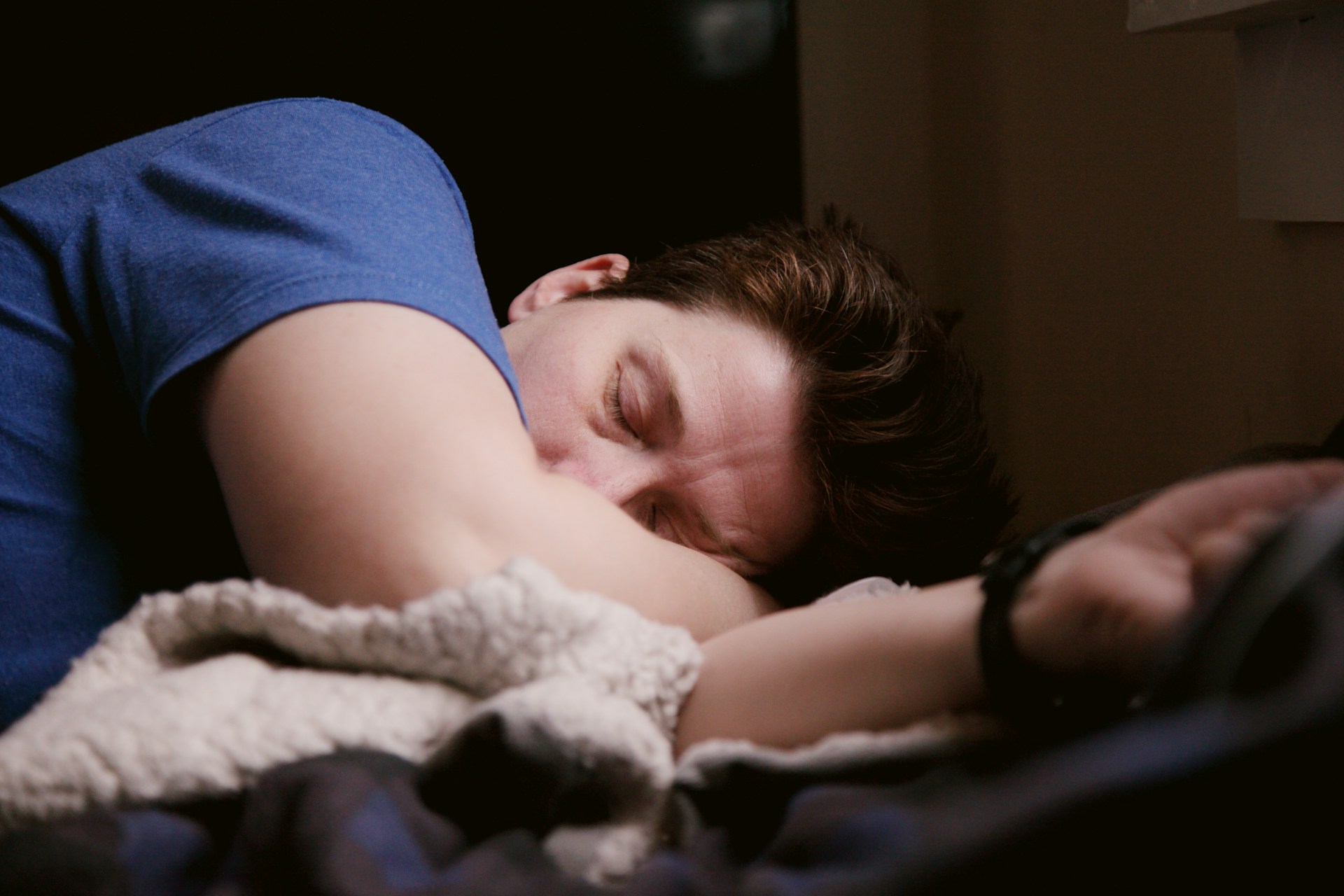
Do you often find yourself waking up tired, even after a full night’s sleep? Have you noticed that you clench your jaw or grind your teeth during the night? If so, you may be experiencing bruxism, a condition that not only affects your dental health but also has a significant impact on your sleep quality.
What is Bruxism?
Bruxism refers to the involuntary grinding or clenching of teeth, and it can occur both during the day and at night. However, sleep bruxism is particularly concerning as it disrupts your sleep patterns and can lead to various complications.
The Relationship between Bruxism and Sleep
Bruxism can have a profound effect on your sleep. The grinding or clenching actions can disrupt your sleep cycles, causing you to briefly wake up throughout the night, even if you are not fully aware of it. These micro-awakenings can prevent you from reaching deep, restorative sleep, leaving you feeling fatigued and unrested.
Additionally, the muscle tension and jaw movements associated with bruxism can create discomfort and pain, making it challenging to find a comfortable sleep position. This can lead to difficulty falling asleep or maintaining uninterrupted sleep, further exacerbating the sleep deprivation caused by bruxism
Symptoms of Bruxism’s Impact on Sleep
- The effects of bruxism on sleep can manifest in various ways. Some common symptoms include:
- Waking up with a headache or sore jaw muscles
- Feeling fatigued despite getting a seemingly adequate amount of sleep
- Noticing an increase in daytime sleepiness or drowsiness
- Developing insomnia or difficulty falling asleep
Managing Bruxism-Related Sleep Issues
Fortunately, there are strategies to manage bruxism and alleviate its impact on your sleep:
If you suspect bruxism is affecting your sleep, it’s recommended that you speak to a doctor that can assess your symptoms and provide guidance on the most suitable treatment options. One common treatment is an oral appliance, which is like wearing a mouthguard or splint while sleeping. These custom-fit devices create a protective barrier between your upper and lower teeth, reducing the impact of grinding and clenching and promote better sleep quality.
Implement relaxation techniques: Since stress and anxiety often contribute to bruxism, integrating relaxation techniques into your daily routine can be beneficial. Engaging in activities such as meditation, deep breathing exercises, or gentle yoga can help reduce stress levels and promote better sleep.
Identify and manage triggers: Try to identify any triggers that may exacerbate your bruxism, such as alcohol, caffeine, or tobacco. Limiting or avoiding these substances, particularly close to bedtime, can help minimize symptoms and improve sleep.
Maintain good sleep hygiene: Establishing healthy sleep habits can have a positive impact on your overall sleep quality. Create a soothing bedtime routine, ensure a comfortable sleep environment, and prioritize regular sleep and wake times to optimize your rest.
Bruxism not only poses risks to your dental health but can significantly disrupt your sleep patterns and leave you feeling fatigued and unrested. By seeking professional help, implementing relaxation techniques, using oral appliances, identifying triggers, and maintaining good sleep hygiene, you can effectively manage bruxism-related sleep issues. Taking proactive steps to address bruxism will not only improve your sleep quality but also promote overall well-being and oral health.
A Full Breath Center dentist will be able to help you determine if sleep apnea treatment is right for you. Please make an appointment with Dr. P. J. Nagjee by calling (310) 435-7939.