
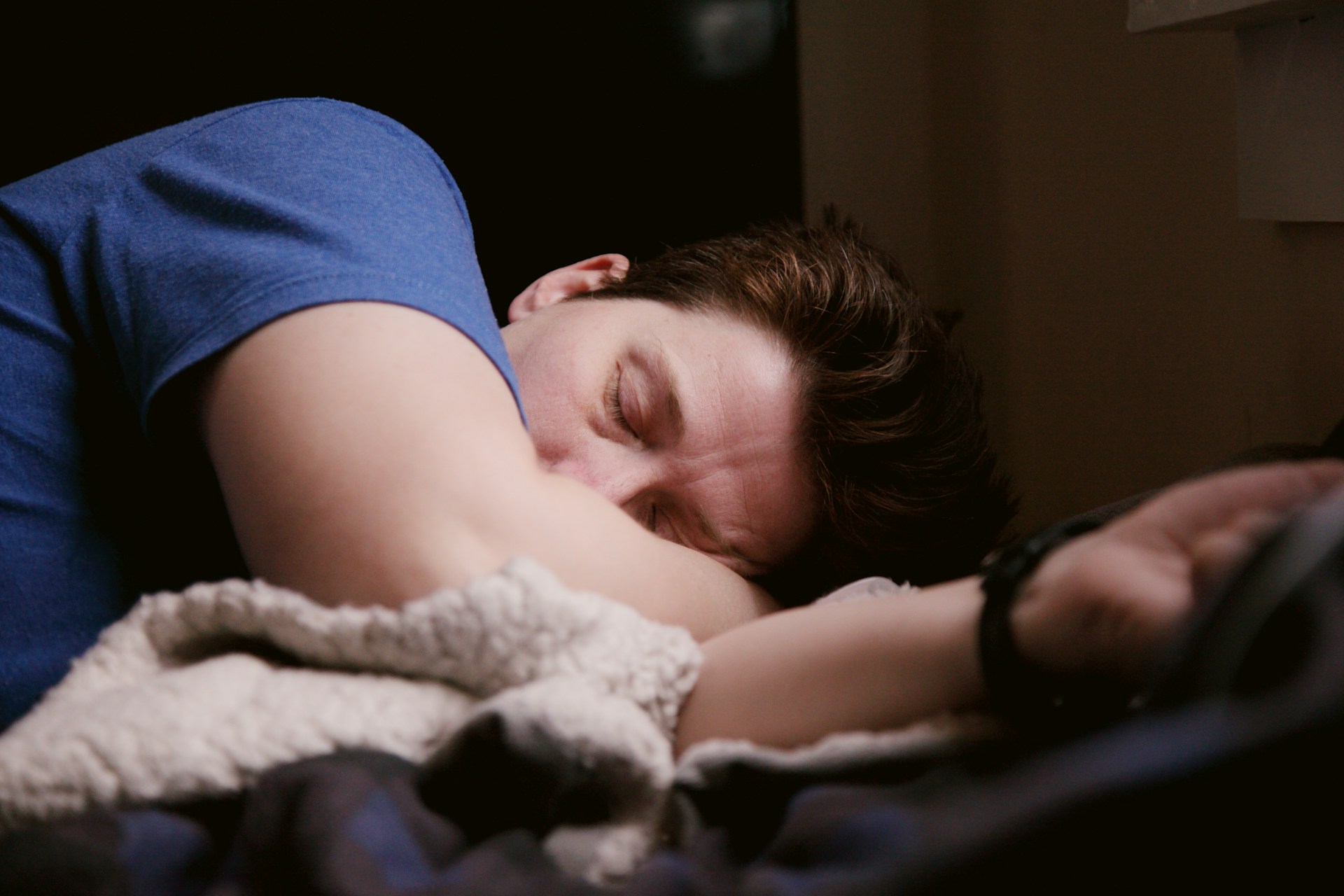
Sleep apnea is a common sleep disorder that affects millions of people worldwide. It is characterized by brief pauses in breathing during sleep, which results in sleep disturbances, daytime fatigue, and respiratory problems. As a dental patient, you may not be aware that your dentist can play a crucial role in treating sleep apnea. In this blog post, we will discuss various sleep apnea treatment options from a dental perspective.
1. Oral Appliance Therapy: Oral appliance therapy is a popular treatment option for mild to moderate sleep apnea. It involves the use of a custom-made oral device that fits over the teeth and advances the lower jaw to keep the airway open during sleep. This device resembles a mouthguard and is comfortable to wear. Oral appliance therapy is a non-invasive, easy-to-use, and effective alternative to the more common Continuous Positive Airway Pressure (CPAP) therapy.
2. Surgery: Surgery is another treatment option for moderate to severe obstructive sleep apnea. Surgery aims to remove the excess tissue from the throat or correct structural abnormalities that cause sleep apnea. Dental surgery, such as maxillomandibular advancement, involves moving the upper and lower jaws forward to enlarge the airway. Surgery may also include the removal of adenoids or tonsils or the treatment of nasal airway obstructions. However, surgical intervention has a longer recovery time and a higher risk of complications than other treatments.
3. Weight Loss: Obesity is one of the leading risk factors for sleep apnea. Losing weight may reduce the severity of sleep apnea or eliminate it altogether. Studies have shown that reducing body weight by just 10% can significantly improve sleep apnea symptoms. Your dentist can work with your primary care physician to develop a weight loss plan that targets your specific needs and goals.
4. Sleep Hygiene: Sleep hygiene refers to the habits and practices that promote good sleep quality. Improving your sleep hygiene can complement other sleep apnea treatments and enhance their effectiveness. Examples of good sleep hygiene practices include setting a regular bedtime and wake-up time, avoiding caffeine and alcohol, keeping an optimal sleep environment, and reducing screen time before bed.
5. Positional Therapy: Some people only experience sleep apnea when sleeping on their backs. Sleeping on the side may help in reducing snoring and mild apneas. Positional therapy involves using special devices to keep the body in the side position while sleeping. Dentists can recommend dental appliances and positioning pillows as treatment options to reduce the symptoms of positional sleep apnea.
If you suspect that you have sleep apnea, seeking treatment from your dentist can be integral to your recovery. Your dentist will conduct a comprehensive evaluation to assess your condition and develop a customized treatment plan that best suits your needs. People with different severities of sleep apnea require different therapies; and thus, working with a healthcare professional is key to curbing sleep apnea symptoms. Don’t suffer – speak to your dentist today!
A Full Breath Center dentist will be able to help you determine if sleep apnea treatment is right for you. Please make an appointment with Dr. P. J. Nagjee by calling (310) 435-7939.